
AMFI-registered Mutual Fund Distributor: Shital Shukla, ARN-87539, valid till 14 Oct 2027AMFI-registered Mutual Fund Distributor: Jija Roy, ARN-152830, valid till 14 Dec 2027APMI-registered PMS Distributor: Jija Roy, APRN00191, valid till 4 Sep 2029Insurance (IRDAI): URN AILI0301250160 (Shital Shukla, life)

Home / Alternative Investments / InvITs

Infrastructure Investment Trusts

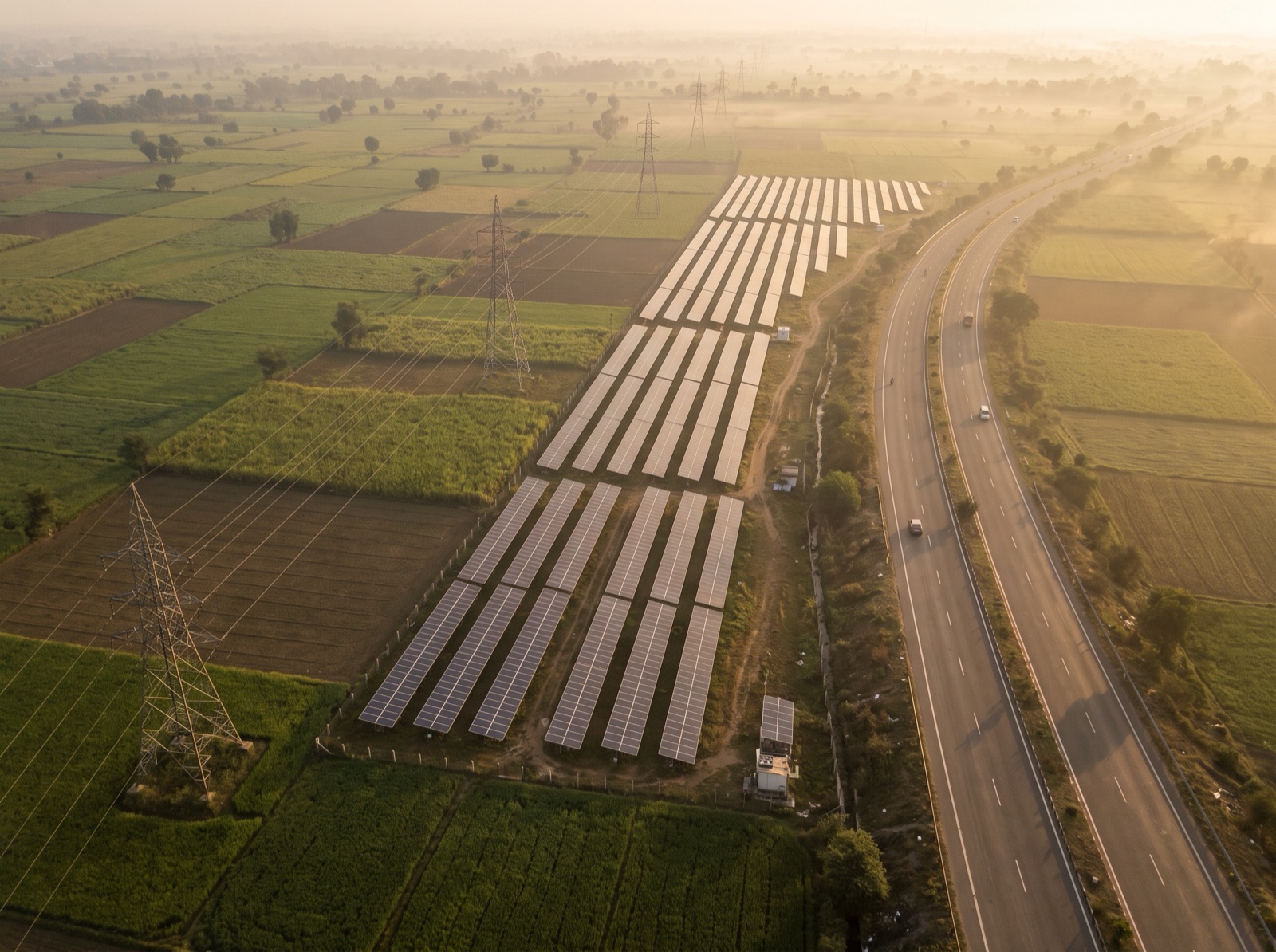
A way to own a share of income-generating infrastructure, such as roads, power lines and solar parks, with the potential for regular distributions.

What an InvIT is

An Infrastructure Investment Trust (InvIT) is a trust, regulated by the Securities and Exchange Board of India (SEBI), that owns infrastructure assets, mostly completed and already earning, and passes most of the cash they earn on to its unitholders.

Think of it like a mutual fund that owns toll roads or power transmission lines instead of shares. You buy units of the trust. The trust collects tolls, tariffs or fees from its assets, pays its costs and interest, and distributes the rest to you.

InvITs may own assets such as:
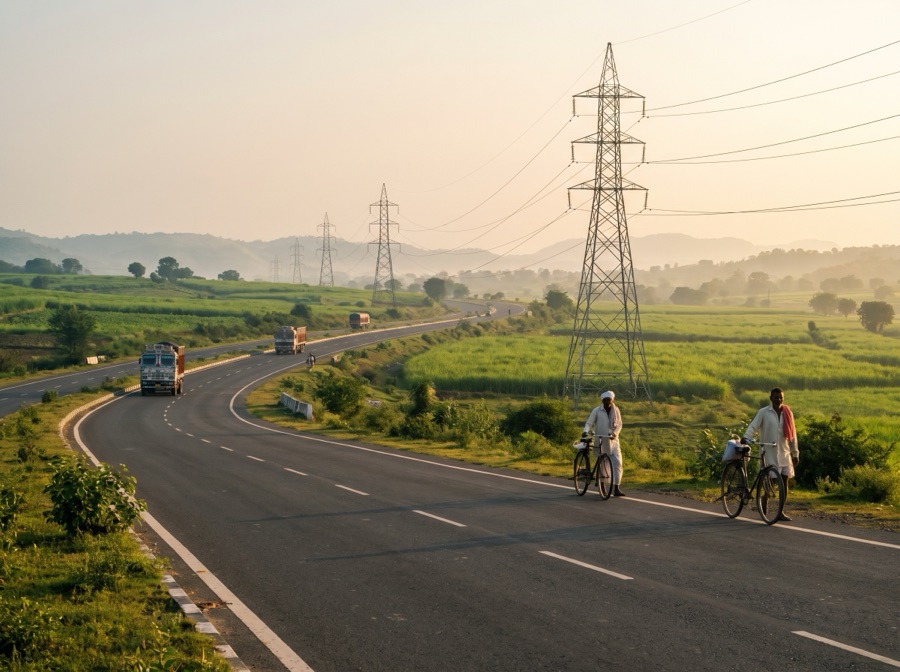
RoadsHighways earning toll income or fixed annuity payments.
Power transmissionLines and substations earning regulated tariffs.
Renewable energySolar and wind parks selling power under long contracts.
Utility networksGas pipelines, telecom towers, fibre and similar networks.
A highway through green countryside at sunrise, with power transmission towers alongside

How distributions work

SEBI rules require an InvIT to pass on at least 90% of its net distributable cash flows to unitholders. A publicly offered InvIT must declare a distribution at least once every six months.

A distribution is usually made up of different parts, and each part can be treated differently for tax:

InterestPaid by the underlying projects on loans from the trust.
DividendFrom profits of the underlying project companies.
Repayment of capitalPart of your own money coming back as project loans are repaid.
Other incomeFor example, interest on the trust's cash.

The InvIT states the split with every distribution. Because tax depends on this mix and on whether you are resident or non-resident, please check with a tax professional. Distributions can go up or down, and can stop. They are never guaranteed.

The risks to understand

InvITs are sometimes described as "bond-like". They are not bonds. Your capital is not protected, and the unit price moves with the market.

Usage riskToll roads earn less if traffic falls. Solar parks earn less in a weak season.
Regulatory riskTariffs, toll rates and contracts can be changed or disputed.
Interest-rate riskWhen interest rates rise, unit prices often fall, and the trust's own borrowing costs more.
Asset lifeMany road concessions end after a fixed period, when the asset is handed back. Income from it then stops.
BorrowingMost InvITs carry debt. Higher debt means more of the cash goes to lenders first.
LiquiditySome InvIT units trade thinly, so selling quickly at a fair price is not always possible.

Who it may suit, and how Finpotters helps

InvITs may suit investors who want some regular income alongside growth, who can hold for several years, and who understand that both the price and the payouts can change. They are usually one part of a diversified portfolio, not the whole of it.

  1. Check the fitWe look at your goals, income needs, time horizon and existing investments before talking about any InvIT.
  2. Explain the trust in plain wordsWhich assets it owns, how long their contracts run, how much it borrows, and what the recent distributions were made of.
  3. Access and paperworkWe help you access publicly offered InvITs through regulated channels, using your own demat account.
  4. Periodic reviewsWe review how the InvIT fits your portfolio as your needs change.

Common questions

How do I buy InvIT units?
Units of publicly offered InvITs are bought and sold on the stock exchange through a demat and trading account, just like shares, and can be traded one unit at a time. Privately placed InvITs raise money only from institutional investors and companies, and their units trade in lots of ₹25 lakh.
How often are distributions paid?
SEBI rules require a publicly offered InvIT to declare distributions at least once every six months; some pay more often. Each InvIT announces its record date and the split of each payout.
Is an InvIT the same as a REIT?
They work the same way, but a REIT (Real Estate Investment Trust) owns income-earning property such as offices and malls, while an InvIT owns infrastructure such as roads and power lines.
Are InvIT payouts guaranteed?
No. Payouts depend on how the assets perform, the trust's costs and its debt. They can fall or stop, and the unit price can also fall.
How are InvIT distributions taxed?
Each part of a distribution (interest, dividend, repayment of capital) can be taxed differently, and the rules differ for residents and non-residents. Please check with a tax professional for your situation.
Can NRIs invest in InvITs?
Generally yes, through the right non-resident bank and demat accounts. See our NRI Guide for the basics, and talk to us about your case.
Please note: Alternative investments may involve higher risk and may not be suitable for all investors. InvIT units are subject to market, interest-rate and liquidity risks. Distributions are not assured and depend on the performance of the underlying assets. Read the offer document and all trust disclosures carefully before investing. This page is general information about listed InvITs. Finpotters does not promote any privately placed InvIT issue. Mutual Fund investments are subject to market risks, read all scheme related documents carefully.

Interested in infrastructure income?

Let's look at whether InvITs fit your goals, and what to check before you invest.

Start a conversation

You are leaving Finpotters

You are going to another website, which is run by a third party. Finpotters does not control it and is not responsible for its content, security or privacy practices. Never share your OTP, PIN or password with anyone.

Continue

Start a conversation

Leave your details and choose how to send them: by email, or on WhatsApp to Shital Shukla or Jija Roy. We will get back to you, in India or abroad.